
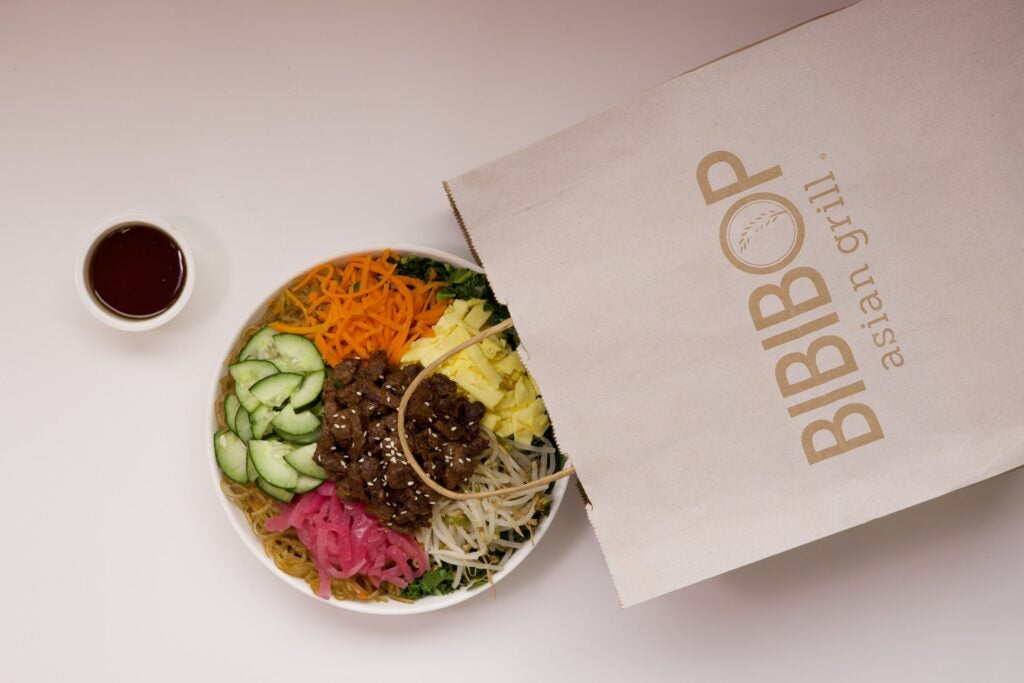
Korean cooking runs on a short list of sauces. Learn the three fermented ones and most Korean menus start to make sense, because most other sauces are built from them.
Here are the Korean sauces you will see most, what goes into each one, what it is served with, and how BIBIBOP’s sauces fit in.
The short answer. The core Korean sauces are ganjang (soy sauce), doenjang (soybean paste) and gochujang (chili paste). Most of the others, like ssamjang, chogochujang and bibimbap sauce, are mixes of those three with sesame oil, vinegar, garlic or sugar.
The three jangs every Korean kitchen starts with
Korean fermented sauces are called jang. Ganjang and doenjang begin with meju, blocks of cooked soybeans left to ferment. Gochujang uses meju powder. In 2024, UNESCO added Korean jang making to its Representative List of the Intangible Cultural Heritage of Humanity.
Ganjang (soy sauce)
Thin and salty. It seasons soups, stews, marinades and dipping sauces. Soup soy sauce, called guk-ganjang, is lighter in color and saltier than the everyday kind, so it seasons a broth without darkening it.
Doenjang (soybean paste)
Thick, salty and earthy. It is the base of doenjang jjigae, a soybean paste stew, and one half of ssamjang.
Gochujang (chili paste)
Sweet, savory and spicy at the same time. It is made from chili powder, glutinous rice, fermented soybeans and salt, and it goes into stews, marinades and dips.
How they connect
Ganjang is the liquid drawn off while the meju sits in brine. Doenjang is the paste left behind. Gochujang builds chili and rice on top of fermented soybeans. What Is Gochujang? goes deeper.
The Korean sauces built from them
These are mixed, not fermented. Each one takes a jang or two and adds a few pantry staples. Recipes change from kitchen to kitchen, so treat the ingredients below as the usual starting point.
Ssamjang
Doenjang and gochujang mixed with sesame oil, garlic and a little sugar. It is the sauce at Korean BBQ: a dab goes on grilled meat before it is wrapped in a lettuce leaf. It also works as a dip for raw cucumber and carrot sticks.
Chogochujang
The name means vinegar gochujang. It is gochujang loosened with vinegar and sweetened with sugar or honey, often with garlic. Sweet, sour and spicy, it is served with raw fish, blanched seafood and hoedeopbap, a raw fish rice bowl.
Bibimbap sauce
Gochujang thinned with water and sesame oil, with a little sugar, so it spreads through rice. In Korean it is yangnyeom gochujang, or seasoned gochujang. Bibimbap Sauce, Explained covers it in full.
Choganjang
Soy sauce and vinegar, often with sesame seeds, chili flakes and sliced scallions. It is the dip for jeon, which are Korean pancakes, and mandu, which are Korean dumplings.
Gireumjang
Sesame oil with salt and black pepper. It goes with grilled meat that has not been marinated, like pork belly, so the flavor of the meat comes through.
Bulgogi marinade
Soy sauce, sugar, garlic, sesame oil and rice wine, often with grated Korean pear. The pear adds sweetness and helps tenderize the beef. More in Bulgogi: A History of Korean BBQ Beef.
Two more you will run into
Made from fermented anchovies or sand lance and salt. It seasons traditional kimchi and adds depth to soups and stews. BIBIBOP’s Kimchi is marked vegan in its nutrition guide. Read more in What Is Kimchi?
Pressed from toasted sesame seeds. It is nutty and strong, so a little goes a long way: as a finishing oil, in marinades and in many of the sauces above.
Which Korean sauce goes with what
- Grilled meat wrapped in lettuce: ssamjang
- Plain grilled pork belly or beef: gireumjang
- Pancakes and dumplings: choganjang
- Raw fish and seafood: chogochujang
- Rice bowls: bibimbap sauce
- Soups and stews: soup soy sauce or doenjang
Are Korean sauces gluten-free?
Often not. Traditional gochujang is usually made with barley malt, and many store-bought jars of gochujang and doenjang list wheat. Most everyday soy sauce is made with soybeans and wheat, and soy sauce goes into many of the mixed sauces above.
BIBIBOP uses tamari instead, a wheat-free alternative with all the same flavor. None of BIBIBOP’s sauces list wheat or gluten in its allergen guide, and every location is certified through the Gluten Intolerance Group as a Validated Gluten-Free Safe Spot. Here is how the kitchen keeps it that way.
BIBIBOP’s sauces
BIBIBOP has five sauces to finish a bowl, plus a Sesame Oil drizzle. Gochujang is the traditional Korean one. The others draw on wider Asian cooking. Calories are per 1 fluid ounce, from BIBIBOP’s nutrition guide.
Gochujang: 70 calories
Sweet, savory and medium spicy, with heat that fades quickly. Vegan.
Spicy Sriracha: 25 calories
The pick for more heat, and the lowest calorie sauce on the menu. Vegan.
Teriyaki: 70 calories
Sweet and savory. Vegan.
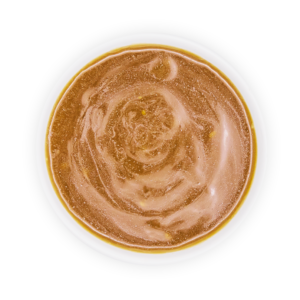
Sesame Ginger: 100 calories
A light sauce with sesame, ginger and citrus. Vegan.

Yum Yum Sauce: 140 calories
Creamy and mild, and BIBIBOP’s signature sauce. It contains egg and dairy, so it is the one sauce that is not vegan.
The Sesame Oil drizzle is 70 calories per quarter fluid ounce. Full nutrition and allergen details for every sauce are in the guide linked from the nutrition page.
How to pick a sauce at BIBIBOP
For a Korean flavor
Gochujang. Add the Sesame Oil drizzle and you are close to bibimbap sauce.
For more heat
Spicy Sriracha, or Spicy Chicken finished with Gochujang.
For something mild
Yum Yum Sauce or Sesame Ginger.
For a lighter bowl
Spicy Sriracha, at 25 calories. Yum Yum Sauce is the richest, at 140.
Korean sauce FAQs
What are the main Korean sauces?
Ganjang (soy sauce), doenjang (soybean paste) and gochujang (chili paste). Most other Korean sauces, including ssamjang, chogochujang and bibimbap sauce, are made by mixing these with sesame oil, vinegar, garlic or sugar.
What sauce is served with Korean BBQ?
Usually ssamjang for meat wrapped in lettuce, and gireumjang, sesame oil with salt and pepper, for plain grilled meat. Marinated meats like bulgogi are seasoned before they go on the grill.
What is the difference between gochujang and ssamjang?
Gochujang is a fermented chili paste. Ssamjang is a mixed sauce made from gochujang and doenjang, plus sesame oil and garlic, so it tastes earthier and saltier.
What is chogochujang?
Gochujang mixed with vinegar and a sweetener. It is sweet, sour and spicy, and it is served with raw fish and seafood.
Is Korean soy sauce gluten-free?
Usually not. Most is made with wheat. Soup soy sauce made the traditional way uses only soybeans and brine, but modern versions can include wheat, so check the label.
Are BIBIBOP’s sauces gluten-free?
Yes. None of them list wheat or gluten in BIBIBOP’s allergen guide, and the kitchen uses tamari in place of soy sauce.
Which BIBIBOP sauces are vegan?
Gochujang, Spicy Sriracha, Teriyaki, Sesame Ginger and the Sesame Oil drizzle. Yum Yum Sauce contains egg and dairy.
Taste them side by side
Find a BIBIBOP near you, build a bowl and try a sauce you have not had before. New to BIBIBOP? Join BIBIBOP Rewards and your first bowl is on us with a minimum $5 spend.