
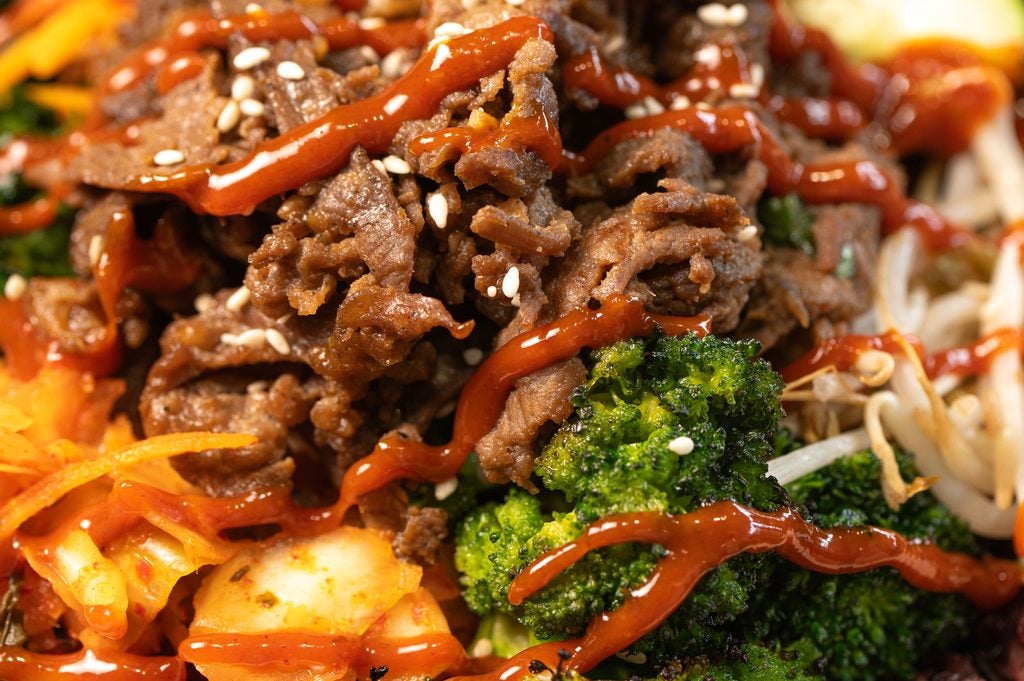
Bibimbap is a Korean rice bowl that you mix together before you eat it. Traditionally, it’s layered with warm rice on the bottom, seasoned vegetables and a protein arranged on top, and topped with gochujang and sesame oil. The consumer is to stir together all the ingredients until it is one, tangled dish.
The name is the instruction. Bibim means to mix. Bap means cooked rice. Bibimbap literally translates to mixed rice, and the mixing is not optional. A bowl you eat in neat separate bites is not bibimbap yet.
What is bibimbap, exactly?
Bibimbap (비빔밥, said roughly bee-bim-bap) is one of the best known dishes in Korean cooking. It is a composed bowl rather than a recipe with a fixed ingredient list. A cook arranges the components in sections over the rice so the bowl arrives looking deliberate, and the person eating it changes the arrangement on purpose.
That is the part many people miss. The presentation exists to be undone. Every version of the dish, in every region, works the same way.
What bibimbap is made of
Five healthy foods do most of the work.
Rice
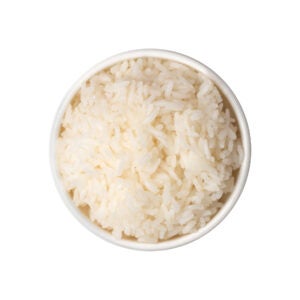
Short grain white rice, cooked plain and served warm. It is the base and the binder. In the Jeonju style the rice is cooked in beef bone broth instead of water, which seasons it before anything is added on top.
Namul
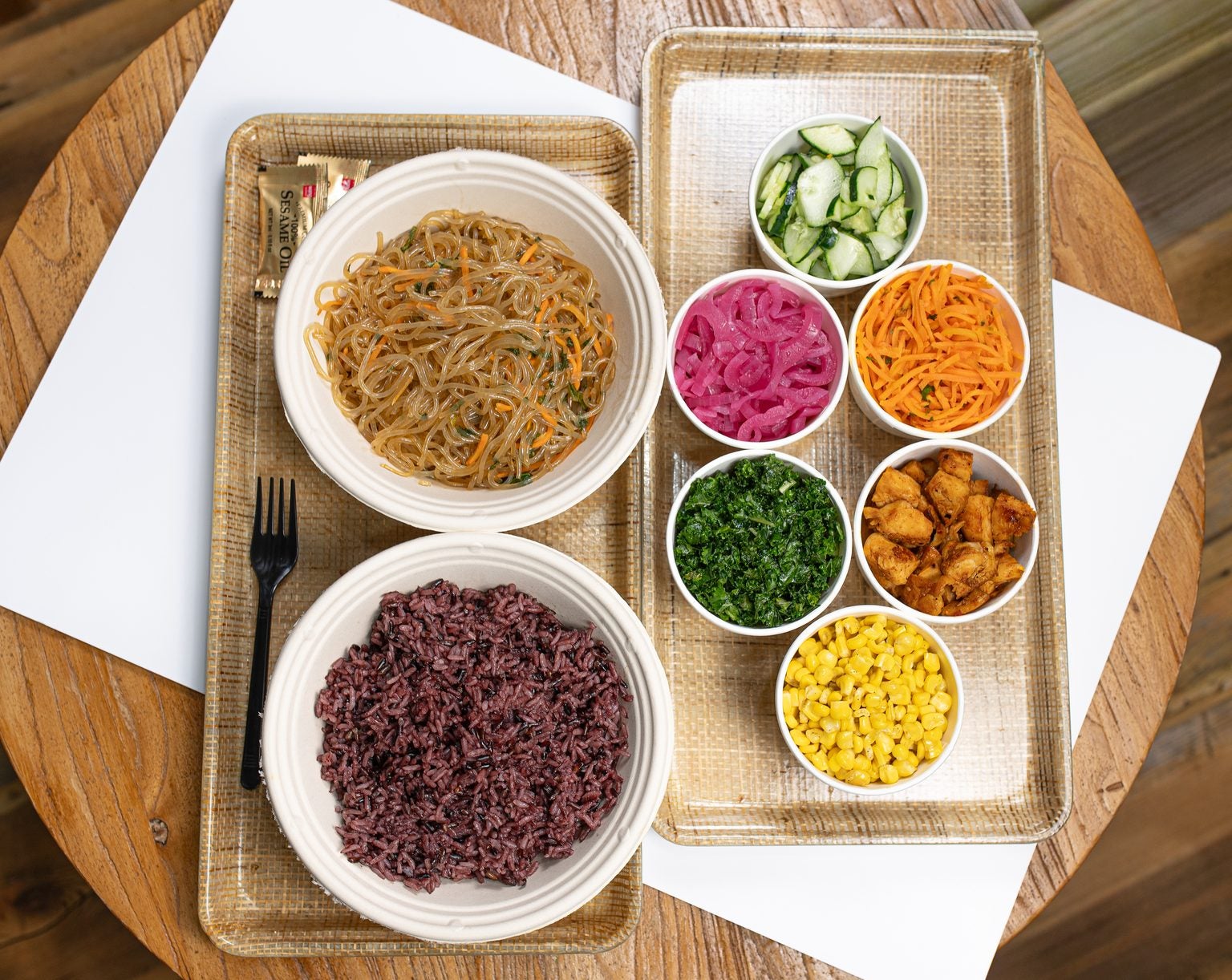
Namul is the term for the seasoned vegetables, and it is what separates bibimbap from a salad with rice under it. Each vegetable is cooked and dressed on its own, usually with sesame oil, garlic and salt, then laid in its own section. Soybean sprouts, spinach, carrot, zucchini, mushrooms, cucumber, radish, bellflower root and bracken fern all turn up. The specific list changes with the season and the cook.
Protein
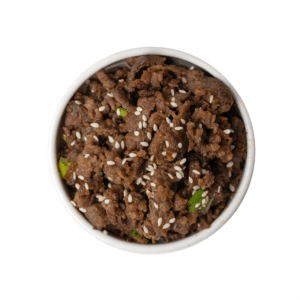
Seasoned beef is the traditional choice, cut thin and marinated much like bulgogi or our KBBQ Beef. Jeonju and Jinju both serve versions with yukhoe, which is raw seasoned beef. Tofu and vegetable only bowls are common, and coastal versions swap in raw fish.
Gochujang
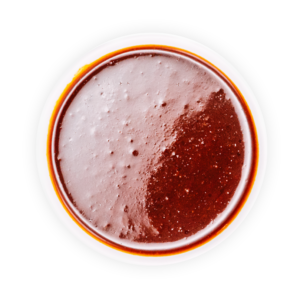
Gochujang is the fermented Korean chili paste that gives bibimbap its color and most of its heat. It is thick, deep red, and sweet before it is spicy, because it is fermented with grain as well as chili. It goes on last and gets mixed through.

Egg and sesame
An egg goes on top, either fried with a runny yolk or, in a stone bowl, cracked in raw so it cooks against the hot sides. Sesame oil and toasted sesame seeds finish the bowl and carry the aroma.
Where bibimbap comes from
Nobody knows, and the honest answer is more interesting than the usual one. What exists is not an origin story, but a paper trail.
So the dish is documented across roughly four centuries under several names. What is not documented is a founding moment.
Two origin stories get repeated. One says bibimbap came from jesa, the ancestral memorial rite, where the food offered at the table was afterward mixed into a single bowl. The other says farmers made it in the fields at harvest, mixing rice with whatever side dishes were on hand because there was no time or equipment to serve them separately. Both are traditional explanations. Neither is proven, and you should be suspicious of any article that states one as fact.
The main types of bibimbap
Jeonju
The famous one. The rice is cooked in beef broth, the bowl is traditionally brass, and the toppings can run to thirty odd components, including soybean sprouts, mung bean jelly and yukhoe. Usually served with a soybean sprout soup alongside. Jeonju holds a festival for it.
Jinju
Finely seasoned vegetables with raw beef and mung bean jelly, its own style of chili paste, and a beef broth on the side. Historically called hwaban, meaning flower rice, for the way the toppings are laid out.
Dolsot
Dolsot means stone pot. The bowl is heated until it is genuinely hot, brushed with sesame oil, then filled, so the rice touching the stone crisps into nurungji, a golden crust. Let it sit a moment before you mix.
Seafood and regional
Hoedeopbap replaces the cooked protein with raw fish, usually near the coast. Albap uses fish roe. Yakcho bibimbap, from Jecheon, is built around medicinal herbs grown in the area.
What does bibimbap taste like?
Mostly, it tastes like whatever you put in it, which is the point. The through line is nutty and savory rather than sharp. Sesame oil is the dominant aroma. The namul is lightly seasoned and mild on their own. Gochujang brings a slow, sweet heat that builds instead of hitting.
Traditional Korean cooking describes the bowl in terms of five flavors, salty, sweet, hot, sour and bitter, and five colors, red, green, yellow, white and black. That is a useful way to think about why it works. No single element dominates, and mixing is what gets them to meet.
How to eat bibimbap
Use a spoon. Chopsticks are for picking things up, and this is a job for turning things over.
Add the gochujang gradually. You can always add more, and a bowl that is too spicy cannot be walked back.
Mix from the bottom. Bring the rice up through the toppings and keep going until the color is even, then eat it with the spoon.
Is bibimbap healthy?
It depends entirely on how the bowl is built, which is true of any bowl. The structure is a reasonable one: a grain, a large share of vegetables, a portion of protein, and a sauce. The rice and the sauce are where the calories concentrate, and the sodium comes mostly from the seasoning and the chili paste.
The useful move is to look at the actual numbers for what you are ordering rather than trusting the category. BIBIBOP publishes them on the nutrition page.
How a BIBIBOP bowl compares
BIBIBOP is built on the same idea: a warm base, a lot of vegetables, a protein, a sauce, mixed together. A few things line up closely and a few honestly do not.
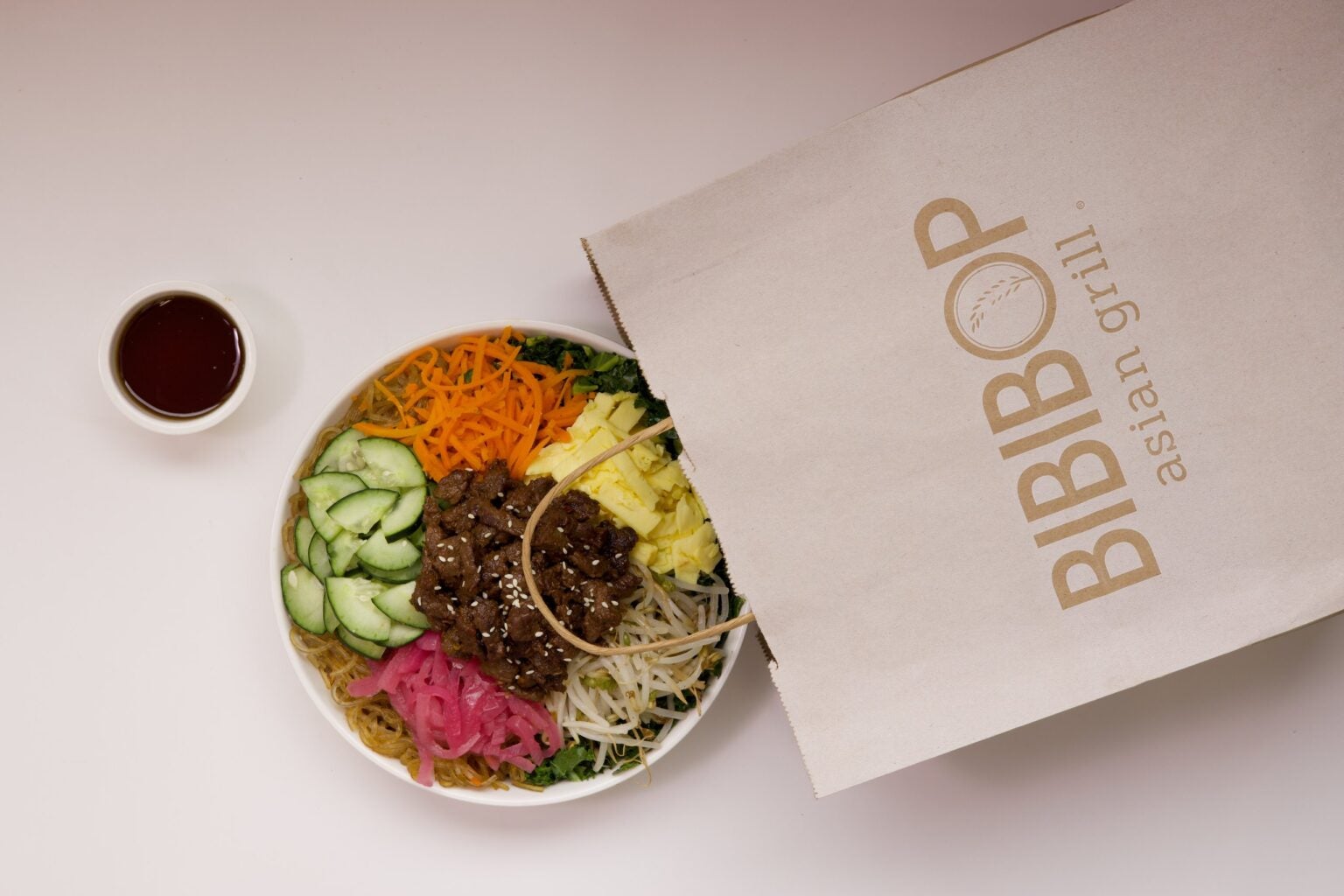
Bean Sprouts, Carrots, Cucumber and Kale are all vegetables you would find in a traditional bowl. Roasted Sesame Broccoli leans on the same sesame seasoning that defines namul. Korean BBQ Beef is the bulgogi style marinated beef that bibimbap has always used. Kimchi is on the line. Gochujang is available as a sauce.
There is no raw egg and no stone bowl. The toppings are prepped for a service line rather than seasoned individually as namul. And BIBIBOP’s signature sauce is Yum Yum Sauce, not gochujang.
One difference matters more than the rest. Traditional Korean seasoning runs on soy sauce, which is brewed with wheat. That is why Korean food is usually a difficult order if you avoid gluten. BIBIBOP uses tamari instead, and the whole kitchen is gluten-free, not a gluten-free menu section inside a kitchen that also handles wheat.
Catering is available at every location. And if you have not dined with us before: join BIBIBOP Rewards and your first bowl is on us with a minimum $5 spend.
See the full menu or find a location near you.
Bibimbap FAQs
Does BIBIBOP serve bibimbap?
Not in the traditional form. BIBIBOP builds bowls on the same structure, a rice base with vegetables, a protein and sauce mixed together, but there is no raw egg, no stone bowl, and the vegetables are not prepared as individual namul. To get closest to a traditional bowl, order White Rice with Korean BBQ Beef, Bean Sprouts, Carrots, Cucumber and Kale, and ask for gochujang.
Is bibimbap gluten-free?
Usually not. Most versions are seasoned with soy sauce, which is brewed with wheat, and many commercial gochujang products contain wheat as well. The rice and vegetables are naturally gluten-free, but the seasoning is where the gluten gets in. BIBIBOP’s kitchen is 100% gluten-free and uses tamari rather than soy sauce.
Is bibimbap spicy?
Only as spicy as you make it. The rice, vegetables and protein are mild. All of the heat comes from the gochujang, which you add and mix yourself, so you control it.
Is bibimbap vegetarian?
It can be. Vegetable only and tofu versions are common and traditional. The standard version includes beef, and some bowls are topped with an egg, so it is worth asking rather than assuming.
What is the difference between bibimbap and bulgogi?
Bibimbap is a whole dish. Bulgogi is one ingredient that often goes in it. Bulgogi is thin slices of marinated beef, grilled. Bibimbap is the mixed rice bowl those slices might sit on.
Do you eat bibimbap hot or cold?
Warm. The rice is hot and the toppings are usually room temperature or warm, which is part of the appeal once it is mixed. Dolsot bibimbap arrives genuinely hot and keeps cooking in the bowl.
How do you pronounce bibimbap?
Bee-bim-bap. Three even syllables, no stress on any one of them.