
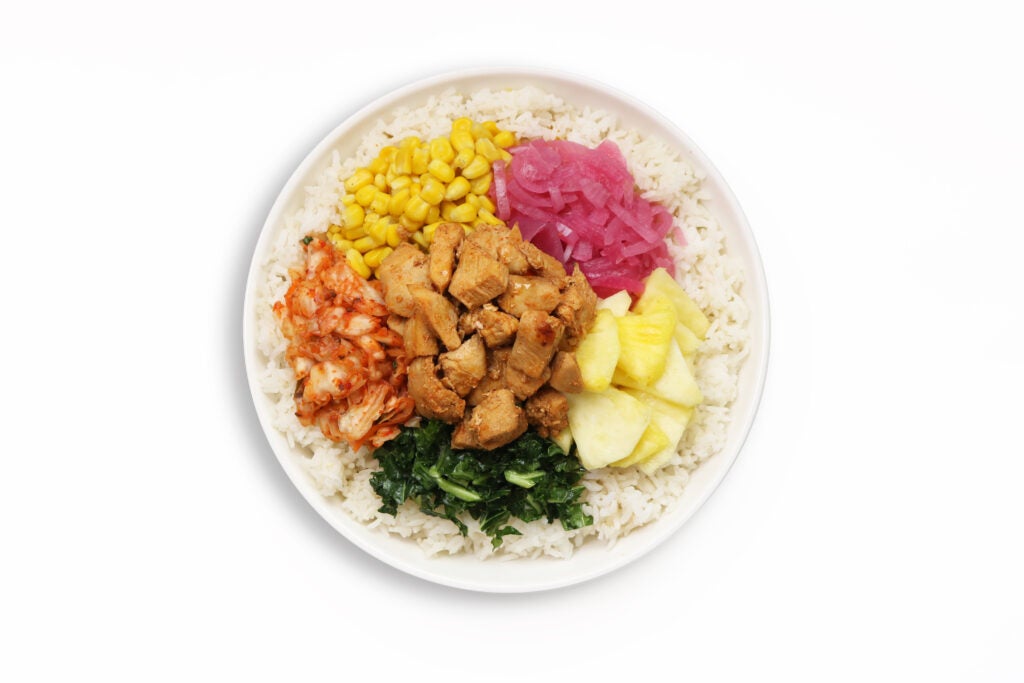
Healthy fast food is not a category. It is a set of things you can check. Most of them are printed on the menu board or one click away on the chain’s website, and the checking takes about a minute once you know what you are looking at.
The useful question is not whether a restaurant calls itself healthy. It is whether the restaurant shows you enough to decide for yourself.
A note on dates. The rules and reference numbers below were checked in September 2026 and come from the FDA and the Dietary Guidelines for Americans. Restaurant menus and recipes change far more often than a blog post does, ours included. Use this to know what to look for, then check any chain’s current nutrition information before you rely on a specific number.
What a chain already has to tell you
There is a federal rule most people have never heard of, and it is the reason this is easier than it sounds.
Any restaurant chain with 20 or more locations operating under the same name and selling substantially the same menu items has to post calorie counts for standard menu items directly on the menu and menu board. Those menus also have to carry a specific line: “2,000 calories a day is used for general nutrition advice, but calorie needs vary.”
Calories are the part you see without asking. The rest is available if you do ask. Covered chains have to be able to give you written nutrition information for their standard items covering total calories, total fat, saturated fat, trans fat, cholesterol, sodium, total carbohydrates, sugars, fiber and protein.
The first test is not a nutrition question at all. Ask for the full numbers. A chain that produces them in a few seconds, on the wall or on its website, is one you can actually evaluate. A chain that cannot is one you are guessing about.
Six things worth checking
Calories
Posted on the board by law at chains with 20 or more locations. Most useful for comparing two items in the same visit rather than hitting a daily target. The 2,000 calorie figure on the menu is a reference point, not your number.
Sodium
The one most people miss. Americans average about 3,400 mg a day against a recommended limit of under 2,300 mg, and the FDA notes that over 70% of it comes from packaged and prepared foods rather than the salt shaker. One restaurant entree can carry most of a day’s worth.
Saturated fat
The FDA Daily Value is 20 g. The 2025 to 2030 Dietary Guidelines for Americans, published in January 2026, keep the recommendation at under 10% of daily calories.
Fiber
The Daily Value is 28 g, and most fast food is low in it. Fiber is the quickest way to tell whether a meal is built on vegetables, beans and whole grains or on refined starch.
Protein
The Daily Value is 50 g. Protein is what makes a meal hold you until the next one. Look for a named portion on the nutrition sheet rather than the words “protein packed” on a sign.
Added sugars
The Daily Value is 50 g. In a fast food meal most of it is not in the entree. It is in the drink and the sauce, which are also the two easiest food items to change.
One rule that does most of the work
The FDA publishes a shortcut for reading a nutrition label, and it works just as well on a restaurant’s nutrition sheet. You do not have to memorize grams. You need two numbers and two directions.
5% of the Daily Value or less per serving counts as a little of that nutrient. This is what you want to see next to sodium, saturated fat and added sugars.
20% of the Daily Value or more per serving counts as a lot. Good news next to fiber and protein. Worth a second look next to sodium and saturated fat.
Where the calories and sodium actually hide

Sauces and dressings
The easiest thing to underestimate and the easiest thing to control. Sauce is usually poured rather than measured, and it is where fat, sugar and sodium concentrate. That is true of ours too. Ask for it on the side and the amount becomes your decision instead of the line’s.
Drinks. A large fountain drink can carry more added sugar than everything else on the tray combined. It is also the simplest item on the order to change.
Sides and combos. Calories on a menu board are listed per item. A combo is addition, and the total is almost never printed next to the combo price.
Portion size. Two sizes of the same bowl are the same food with different numbers. Size is a lever you can pull before you start changing ingredients.
How to order well at almost any chain
Build the structure first. A grain or greens, a real portion of protein, and as many vegetables as they will give you. Get that right and the rest matters less.
Move the sauce. On the side, or half the usual amount. This one change usually does more than swapping the entree for a different entree.
Fix the drink. Water or unsweetened tea. It is the largest added sugar decision on most trays and it costs you nothing.
Where BIBIBOP lands
We are not going to tell you we are the healthiest restaurant. Applying the checklist above to ourselves, here is what we can show you and what we are not going to claim.
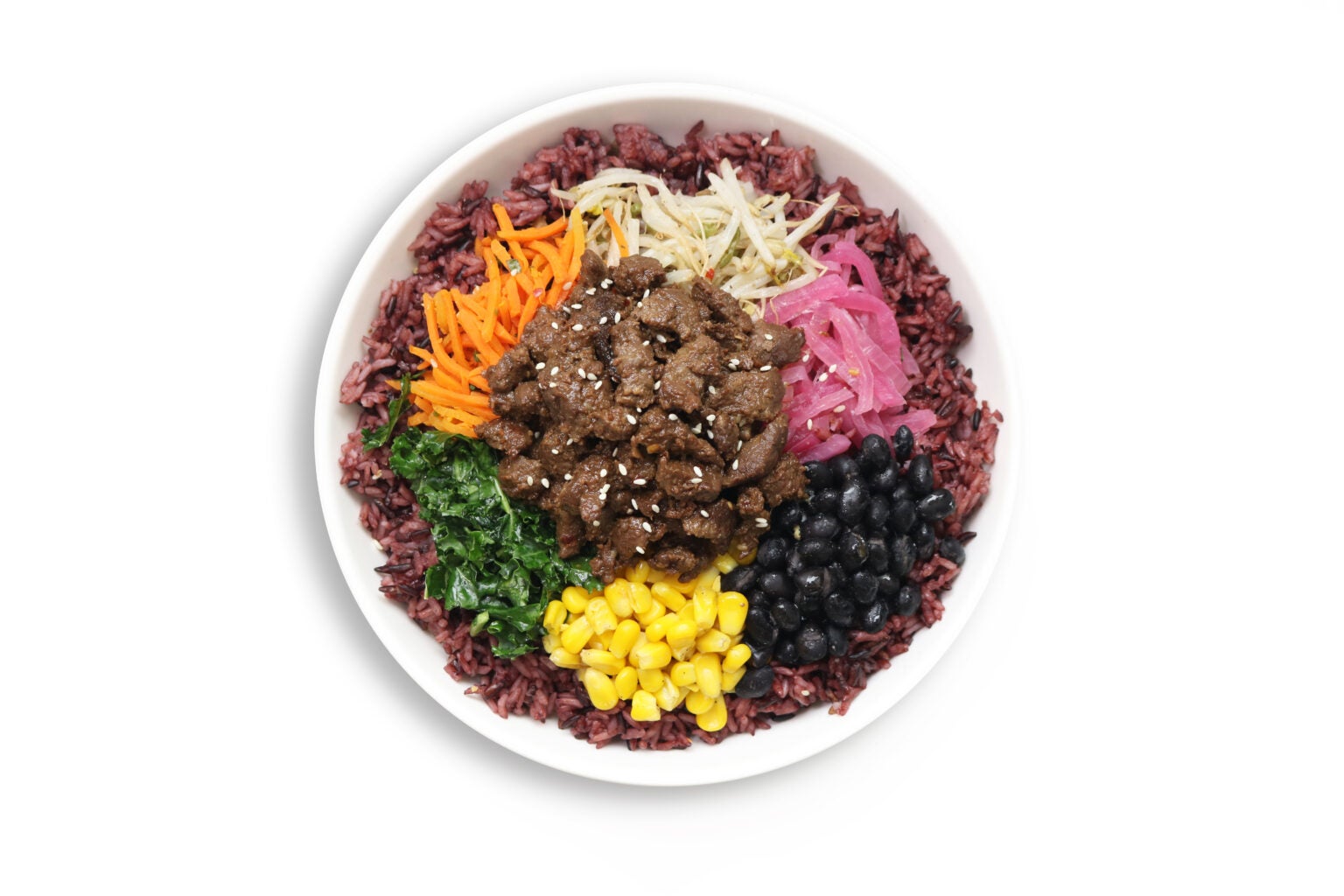
Full nutrition information for every item is published on our nutrition page, not just calories. Bowls are built to order, including the base, the protein, the vegetables and the sauce are each your call. Vegetables are a topping, and you can keep adding them.
Our sauces carry added sugar and sodium, the same as sauces anywhere. A bowl can be built well or badly here exactly like it can anywhere else, and the numbers move with what you put in it. That is the point of publishing them.
One note we will make without hedging. The entire kitchen is gluten-free. We use tamari rather than soy sauce, which is brewed with wheat. That means there is no gluten-free menu section sitting inside a kitchen that also handles wheat. If you are ordering around celiac disease or gluten sensitivity, that is a different question from “do you have a gluten-free option,” and it is worth asking anywhere you eat. We went through which chains actually offer it in Gluten-Free Fast Food: Every Chain With Real Options.
Catering is available at every location. And if you have not eaten with us before: join BIBIBOP Rewards and your first bowl is on us with a minimum $5 spend.
See the full menu or find a location near you.
Healthy fast food FAQs
Is fast food ever actually healthy?
The question is about the meal, not the category. A fast meal built on vegetables, a real portion of protein and a controlled amount of sauce is a reasonable meal. The same restaurant can also sell you something very different. What changes the answer is the specific order, which is why the numbers being published matters more than the sign out front.
What is the single biggest factor to change?
The drink, then the sauce. Added sugar in a fountain drink is usually the largest single number on the tray, and sauce is where fat and sodium concentrate. Neither change touches the food you actually came for.
How do I find a chain’s full nutrition information?
Calories are on the menu board already at any chain with 20 or more locations. For the rest, ask at the counter or look for a nutrition page on the chain’s website. Covered chains are required to have written information available for standard menu items covering fat, saturated fat, trans fat, cholesterol, sodium, carbohydrates, sugars, fiber and protein.
Is a salad always the healthier choice?
Not automatically. Dressing, cheese and fried toppings can put a salad above the entree it was meant to replace. This is exactly the case the published numbers are useful for. Compare the two items you are actually deciding between rather than trusting the format.
How much sodium is too much in one meal?
There is no official per meal limit. The daily recommendation is under 2,300 mg for ages 14 and up, and Americans average around 3,400 mg. A practical approach is the FDA’s own guidance on labels: 20% of the Daily Value or more in one serving is a lot, so an entree at or above that is one to notice.
Does BIBIBOP publish full nutrition information?
Yes. Every item is listed on the nutrition page with the full breakdown, not just calories. Because bowls are built to order, the totals depend on what you choose, and the page is set up for you to add up the build you actually want.