

Kale has a reputation as the healthiest thing in the produce section. Some of that is earned. Kale is one of the best vegetable sources of vitamin K, it is high in vitamin C, and it costs you very few calories. Some of it is hype.
Here is what kale actually brings to your plate, what the popular claims get wrong, and the easiest way to eat more of it.
The short answer. Kale is low in calories and high in vitamin K, vitamin C and vitamin A, with a useful amount of fiber. Its biggest strength is vitamin K: one cup of raw kale covers most of a day’s worth.
What is in kale
The figures below come from the NIH Office of Dietary Supplements and USDA FoodData Central.
Vitamin K
One cup of raw kale has 113 mcg, which is 94% of the Daily Value. Vitamin K helps your blood clot and supports healthy bones.
Vitamin C
About 93 mg per 100 grams of raw kale, roughly a full day’s Daily Value of 90 mg. Your body uses it to make collagen and for immune function.
Vitamin A
About 241 mcg per 100 grams of raw kale, a little over a quarter of the 900 mcg Daily Value. Vitamin A supports vision and immune function.
Fiber, with few calories
About 4 grams of fiber and 35 calories per 100 grams of raw kale. That is a lot of volume and crunch for very little energy.
The benefits of kale, without the hype
It is one of the easiest ways to get vitamin K
A single cup of raw kale gets you most of the way to the Daily Value. Your body needs vitamin K to make the proteins that clot blood, and for healthy bones.
It is high in vitamin C
100 grams of raw kale has about a full day’s vitamin C. Your body needs vitamin C to make collagen and for immune function, and it can help you absorb iron from plant foods like beans and chickpeas.
It adds fiber and volume for very few calories
Kale bulks up a meal without adding much energy. Fiber also supports regular digestion.
If you take a blood thinner. The NIH advises people taking warfarin to keep their vitamin K intake about the same from day to day, because sudden changes can affect how the medication works. That does not mean avoiding kale. It means talking to your doctor before eating a lot more of it.
What the hype gets wrong
True by weight, but 100 grams of raw kale is several cups of leaves. A medium orange has about 70 mg. Both are good sources, and neither one is a contest you need to win.
A cup of raw chopped kale has about 24 mg of calcium, 2% of the Daily Value. Cooked, a cup has 94 mg, because the leaves shrink. The calcium in kale is absorbed well, there just is not that much of it.
Kale also does not “detox” your body. Your liver and kidneys handle that. Kale is simply a nutritious vegetable, and that is enough.
Is kale better raw or cooked?
Both are good, for different reasons. Vitamin C breaks down with heat and long cooking, so raw kale keeps more of it. Cooking shrinks the leaves, so a cup of cooked kale holds more calcium and fiber than a cup of raw.
If raw kale tastes too tough or bitter, the fix is a dressing with some acid. Citrus or vinegar softens the leaves and balances the earthy flavor, which is exactly why a citrus dressing works so well on it.
Honey Citrus Kale at BIBIBOP
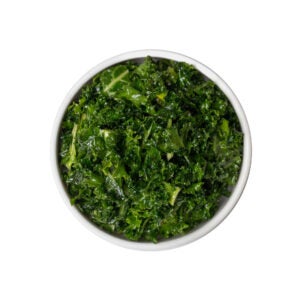
A raw kale base, dressed to eat
Chopped kale tossed in a bright honey citrus dressing that softens the leaves and takes the bitter edge off. It is 100 calories as a base and, like everything on the menu, gluten-free. Because the dressing contains honey, it is vegetarian but not vegan.
A few bowls that make the most of it:
- Kale and chickpeas. Honey Citrus Kale, Curry Chickpeas, Organic Tofu, Carrots and Cucumber. The vitamin C in the kale can help you absorb the iron in the chickpeas.
- Kale and salmon. Honey Citrus Kale, Miso Glazed Salmon, Avocado, Pickled Red Onion and Roasted Sesame Broccoli, with Sesame Ginger.
- Kale and steak. Honey Citrus Kale, Steak, Corn, Bean Sprouts and Carrots, finished with Gochujang.
Calories and allergens for every base, protein and topping are on our nutrition page. For more on chickpeas, see Are Chickpeas Healthy?, and for another green worth eating more of, Benefits of Broccoli.
Kale FAQs
What are the benefits of kale?
Kale is low in calories and high in vitamins K, C and A, with a good amount of fiber. One cup of raw kale provides 94% of the Daily Value for vitamin K, which supports blood clotting and bone health.
Is kale better raw or cooked?
Raw kale keeps more vitamin C, which breaks down with heat. Cooked kale shrinks, so each cup holds more calcium and fiber. Both are worth eating.
Is kale high in calcium?
Not as high as its reputation. A cup of raw chopped kale has about 24 mg, or 2% of the Daily Value. A cup of cooked kale has 94 mg. The calcium it does have is absorbed well.
Can I eat kale if I take a blood thinner?
Usually, yes, but talk to your doctor. People taking warfarin are advised to keep their vitamin K intake steady from day to day, and kale is very high in vitamin K.
How do you make kale taste better?
Toss it with an acidic dressing, like citrus or vinegar. The acid softens the leaves and balances kale’s earthy, slightly bitter flavor.
Is BIBIBOP’s Honey Citrus Kale vegan?
No. The dressing contains honey, so it is vegetarian but not vegan. It is gluten-free.
Add some green to your next bowl
The easiest way to eat more kale is to make it the base of a meal you were already going to eat. Find a BIBIBOP near you and start your bowl with Honey Citrus Kale. New to BIBIBOP? Join BIBIBOP Rewards and your first bowl is on us with a minimum $5 spend.